




 Public agencies are prioritizing long-term infrastructure needs, public spaces and environmental protections. Public Improvement Funds help agencies set aside dedicated revenue to plan and pay for these projects over time.
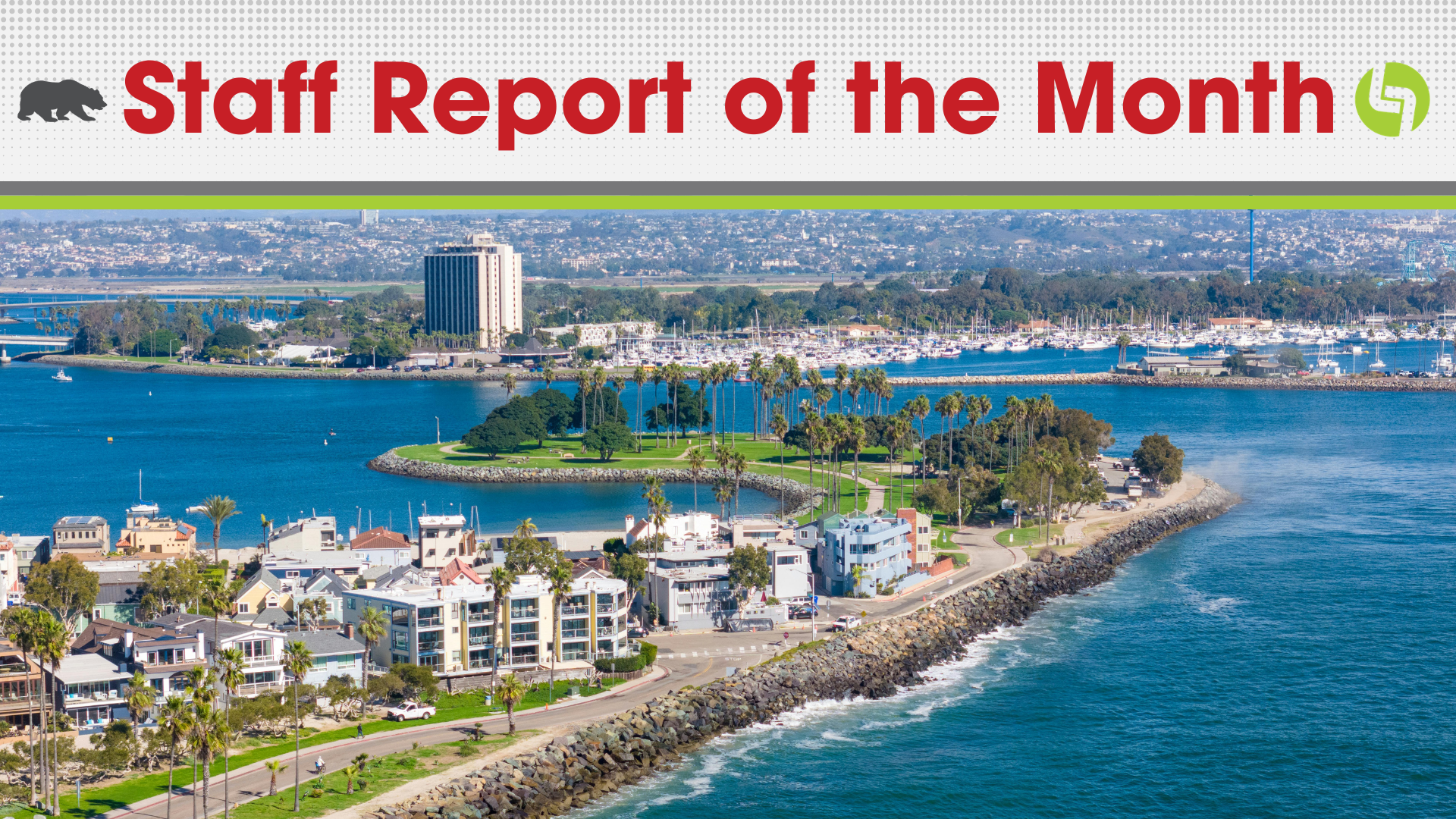
Mission Bay Park in San Diego welcomes millions of visitors each year, putting pressure on its infrastructure and natural environment. In 2008, the City Charter established a dedicated fund that uses lease revenue from park businesses to support improvements. Measure J updated the Charter in 2016 by identifying priority projects and establishing how the revenue could be used. Priorities include improving water quality, restoring natural habitats, protecting the shoreline and expanding public access.
The City began working on those priorities but found that planning and reviewing the projects together could help move them forward more efficiently. The City combined the projects’ preliminary designs and environmental reviews, packaging them into the Mission Bay Park Improvements Program.
While the Charter outlined high-level priorities, the Mission Bay Park Improvements Program establishes actionable projects — giving the City Council and Mission Bay Park Oversight Committee a clear roadmap for prioritizing approximately $20 million in annual funding.
On May 11, 2026, the San Diego City Council approved the Mission Bay Park Improvements Program and its environmental impact report.

Program Manager Nancy Graham is overseeing the program and its ongoing implementation.
“By implementing Mission Bay’s priority improvement projects through a comprehensive programmatic approach, we can proactively advance environmental enhancements while creating a more efficient path for delivering much-needed infrastructure,” said Graham. “This program gives the City a clear framework for moving these improvements forward in a coordinated and environmentally responsible way.”
This is just one of several examples of innovative public improvement funds featured on LINK. To quickly ramp up on this topic, check out this LINK article.
Not a LINK member yet? Sign up at LocalInfoNetwork.com.