




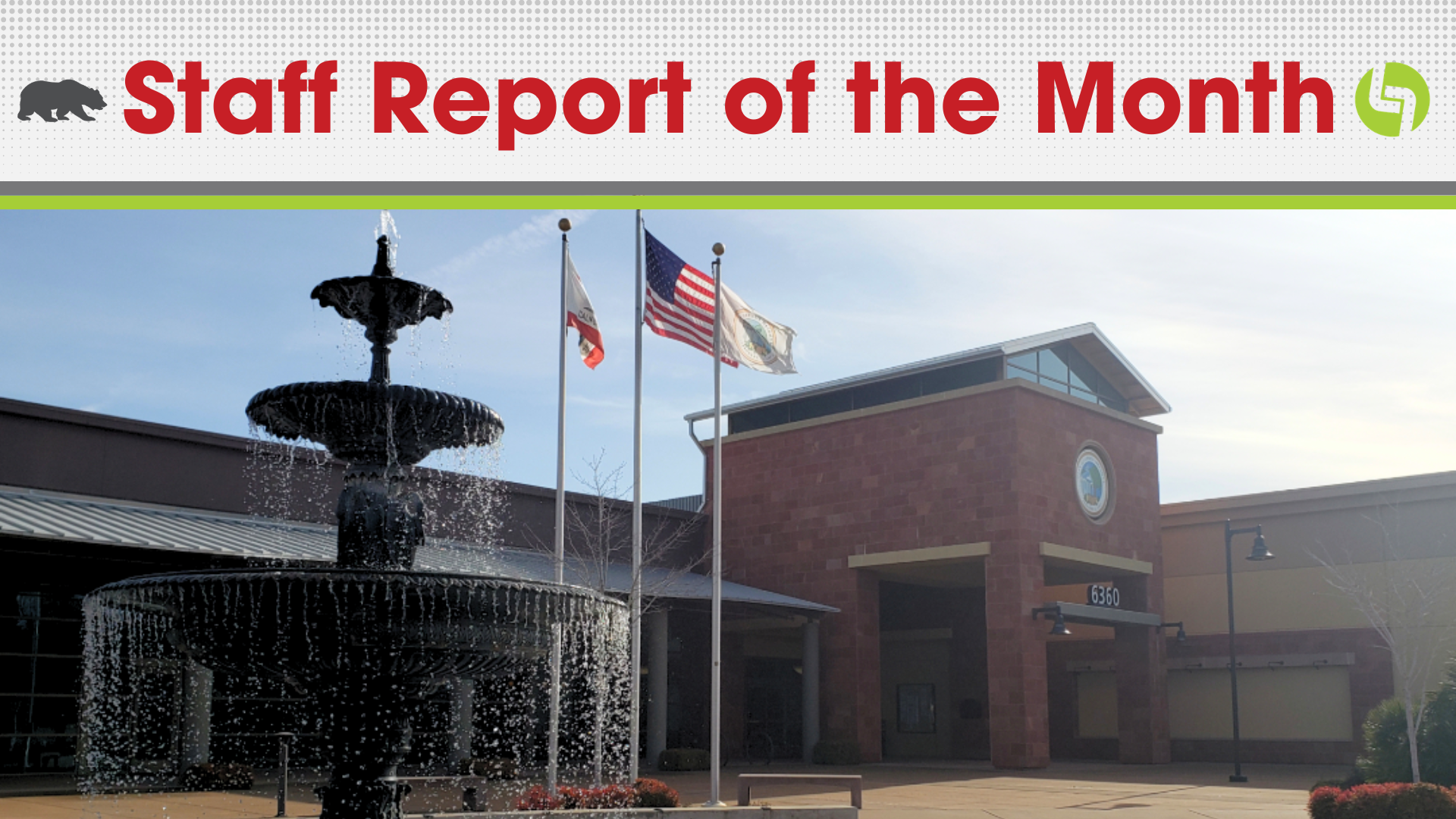
 Across California, cities are taking a more proactive approach to long-vacant commercial properties. Instead of waiting for complaints, many are creating clear policies that set expectations for property owners while encouraging reinvestment and economic growth.
In 2025, the Citrus Heights City Council made vacancy management a priority after staff observed that prolonged vacancies often led to deferred maintenance, code issues and stalled tenant improvements along key corridors.
In January 2026, the City adopted the Commercial Property Reoccupancy Program to directly address the issue. Under the program, commercial buildings that are vacant for 60 days or more must register with the City, stay safe and well-maintained, share a plan to bring the space back into use and allow inspections.
The program was shaped by community input, including FlashVote surveys, workshops and outreach to property owners. It offers flexible options, exemptions and fee waivers for properties that meet basic standards. The City Council also approved fees to cover staff costs, helping keep the program transparent and financially sustainable.
Together, these actions aim to reduce blight, deter vandalism and create a clearer path for businesses ready to invest in Citrus Heights. Ongoing efforts are led by Economic Development & Community Engagement Director Meghan Huber.

“This program reflects a shift from reactive enforcement to proactive partnership. By setting clear standards while supporting responsible property owners, we’re strengthening commercial corridors and building long-term economic confidence in our community,” said Meghan.
This is just one of several examples of Commercial Vacancy Ordinances that are featured on LINK. To quickly ramp up on this topic, check out this LINK article
Not a LINK member yet? Sign up at LocalInfoNetwork.com.