




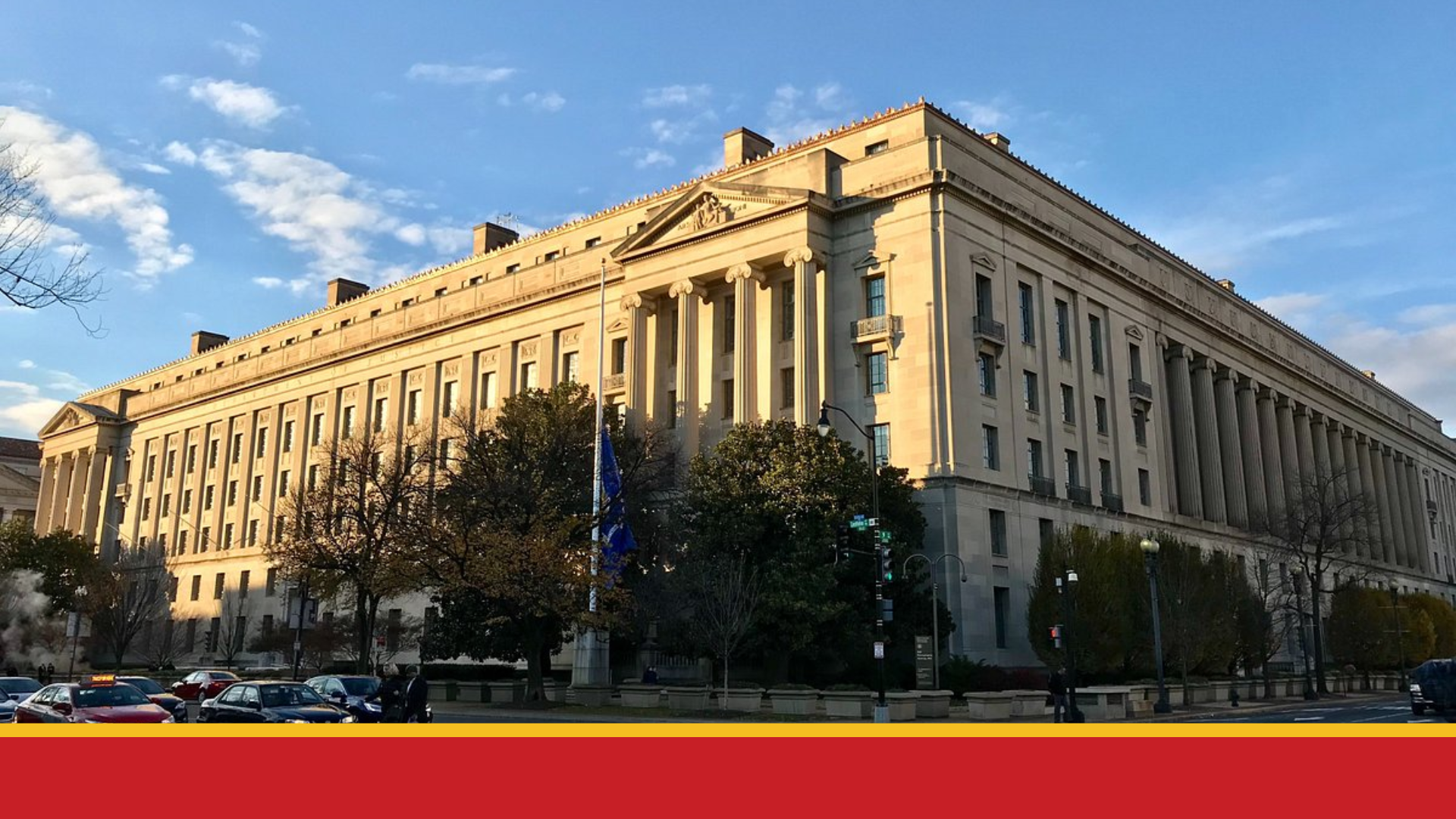

The U.S. Department of Justice (DOJ) filed an Interim Final Rule (IFR) that delays compliance deadlines for web accessibility under Title II of the Americans with Disabilities Act (ADA). The IFR was published in the Federal Register on April 20, 2026.
In 2024, the DOJ finalized long-anticipated regulations requiring state and local governments to ensure that their websites and mobile applications comply with Web Content Accessibility Guidelines (WCAG) 2.1 Level AA. The rule marked a significant expansion of enforceable digital accessibility obligations under the ADA.
The original rule established compliance deadlines for all public entities based on size and type of government. The first compliance deadline was originally set to go into effect on April 24, 2026.
What the Interim Final Rule Does
The IFR extends those compliance deadlines by one year, providing public entities with additional time to meet web accessibility standards. The new compliance deadlines are:
- April 26, 2027: public entities, including state/local governments and agencies, with populations of 50,000 or more
- April 26, 2028: special district governments and public entities with populations under 50,000
While DOJ has not substantively altered the underlying accessibility standards, the delay reflects a larger discussion concerning the time and resources needed to bring web content into compliance.
Public entities are still expected to make good faith progress toward compliance. WCAG 2.1 AA remains the expected standard for web accessibility, and public entities should be prepared to comply with this standard based on the updated deadlines. The extension should be used to assess, remediate and implement sustainable accessibility practices.
Looking Ahead – What Public Entities Should Do Now
Public entities can use the additional time provided by the IFR to complete a more thorough audit of its existing web content and related systems. Remediation efforts may include all or most of the following:
- Conduct or update website and mobile app accessibility audits
- Prioritize remediation of high-traffic and core service content
- Identify exceptions to WCAG 2.1 AA compliance and organize content accordingly
- Implement policies and procedures for ongoing accessibility compliance
- Train staff and coordinate with vendors on accessibility requirements
- Document compliance efforts to mitigate enforcement risk
The DOJ will consider public comments to the IFR and could make further adjustments. However, entities should not assume additional delays and should continue moving toward full compliance based on the updated timeline.
Take advantage of this additional time and contact your BBK relationship attorney for specific assistance with ADA web compliance.
Authored by BBK Partners Christine N. Wood and Associate Stephanie Véniez.
Disclaimer: BBK Legal Alerts are not intended as legal advice. Additional facts, facts specific to your situation, or future developments may affect subjects contained herein. Seek the advice of an attorney before acting or relying upon any information herein.
About Best, Best & Krieger
Best Best & Krieger is a national law firm with nearly 250 attorneys who focus on municipal, environmental, employment, business, education, public finance and telecommunications law, government relations and more for public agency and private clients of every size. BBK was established in Riverside, California more than 130 years ago and continues to grow nationally, with offices across the West Coast, Pacific Northwest and Washington, D.C. For more information, visit www.bbklaw.com or follow us at @bestbestkrieger on LinkedIn and @bbklawfirm on Instagram.